

Hyperbaric Chambers Australia / Insights
Home Hyperbaric for Autism: What Research Shows
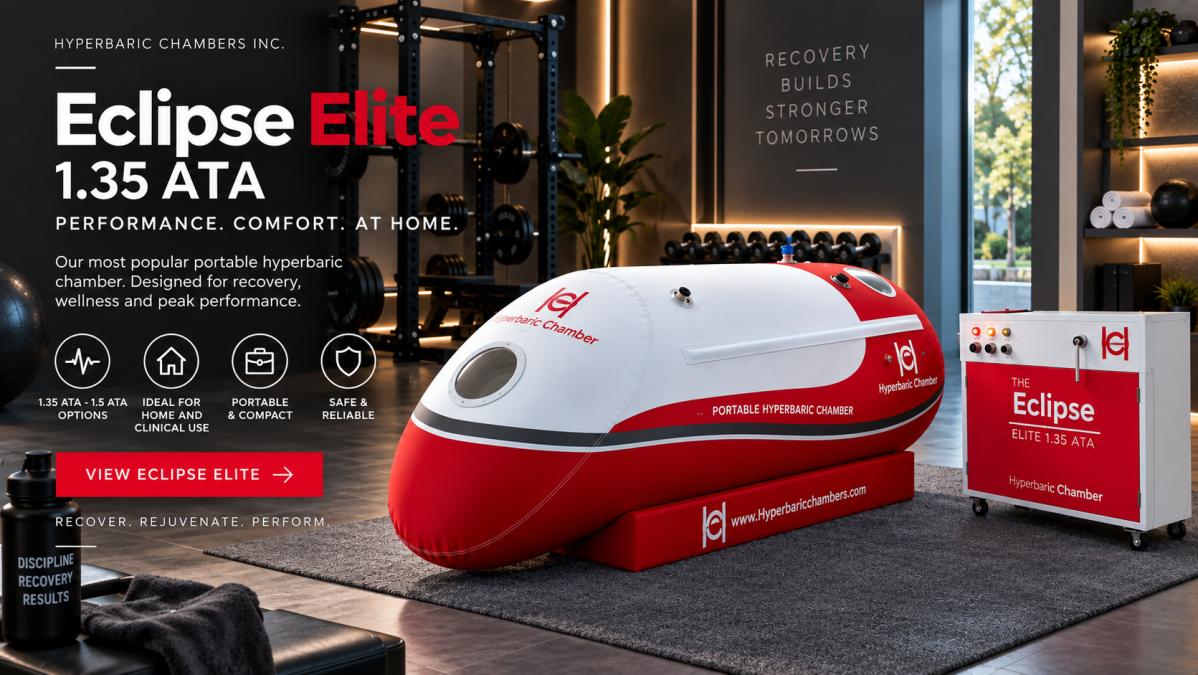
Table of Contents
- What the Research Says About Hyperbaric Oxygen Therapy for Autism
- Hyperbaric Chamber Autism Research: Current Findings and Limitations
- Chamber Types and How Pressure Levels Differ
- Home Hyperbaric Chamber Safety: What You Need to Know
- Questions to Ask Before Hyperbaric Therapy for Your Child
- Home versus Clinical Treatment: Key Differences
- Making Your Decision
- Frequently Asked Questions
Last Updated: 12 October 2026
What the Research Says About Hyperbaric Oxygen Therapy for Autism
Hyperbaric oxygen therapy (HBOT) has attracted growing interest from families exploring [complementary approaches to autism support](/blog/), with home hyperbaric autism treatment becoming an option some Australian parents investigate. The question of whether home hyperbaric chambers can help with autism symptoms drives many Australian parents to research the evidence carefully. At Hyperbaric Chambers Inc, we believe informed decisions start with understanding what research actually shows, and what it doesn't.
The scientific literature on hyperbaric therapy for autism remains limited and mixed. Studies examining HBOT for autism have produced varied results, with some research suggesting potential benefits for certain symptoms whilst others show no significant effect. This inconsistency matters because it means the evidence base does not yet support HBOT as a standard autism treatment. What we do know is that any decision to pursue hyperbaric therapy should rest on realistic expectations and consultation with your child's healthcare provider.
Several small studies have examined oxygen therapy in autism populations, but the quality and scope of this research varies considerably. Some trials report modest improvements in communication or social interaction, whilst others find no measurable change. The challenge for families is that published research often comes from specialised clinics using specific protocols, conditions that may differ from home use.
Hyperbaric Chamber Autism Research: Current Findings and Limitations
Research on HBOT and autism exists, but interpreting it requires care. Most studies involve small groups of children treated at clinical facilities under controlled conditions. These trials typically use pressures between 1.5 and 2.0 ATA and run for set durations. Home chambers operate across different pressure ranges, which affects how directly clinical findings apply to your situation.
Key limitations in the current research include:
- Small sample sizes: Many studies involve fewer than 50 participants, limiting statistical power
- Varied protocols: Different studies use different pressures, session lengths and total treatment hours
- Publication bias: Studies showing positive results may be more likely to be published than neutral ones
- Lack of long-term follow-up: Most research tracks outcomes over weeks or months, not years
- Difficulty isolating HBOT effects: Children often receive multiple therapies simultaneously, making it hard to know which caused any improvement
The National Institute of Mental Health notes that autism research continues to evolve, and complementary therapies require rigorous evaluation. Families should approach any new intervention with realistic timelines and clear outcome measures.
One important distinction: research conducted at high-pressure clinical facilities (often 2.0-2.8 ATA) may not directly predict outcomes from home chambers operating at lower pressures (1.3-1.5 ATA). Pressure level affects oxygen delivery, so treatment effects can vary.
Chamber Types and How Pressure Levels Differ
Hyperbaric chambers come in several configurations, each suited to different needs and budgets. Understanding the differences helps you assess what might work for your situation.
Portable and Seated Chambers
Portable chambers are soft-sided, inflatable units that operate at lower pressures, typically between 1.3 and 1.5 ATA. These chambers suit home use because they need minimal space and no special installation.
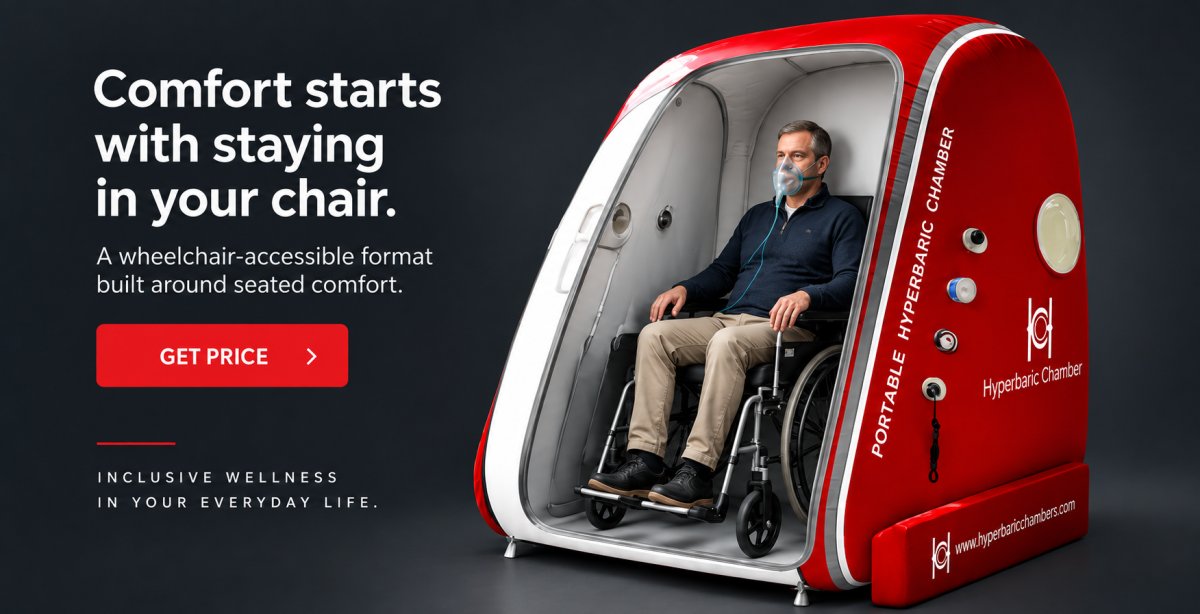
Hyperbaric Chambers Inc offers the iRestore 1.3 ATA, an entry-level portable option, and the Eclipse Seated 1.5 ATA, which allows users to sit upright during sessions. Seated designs work well for people who feel claustrophobic lying flat or who have mobility concerns.
Benefits of portable and seated options:
- Fit into most home spaces without renovation
- Lower upfront cost
- Easier to operate independently
- Suitable for users with anxiety about enclosed spaces
The trade-off is that lower pressures deliver less oxygen to tissues. Whether this matters for your goals depends on the research supporting your specific condition and your healthcare provider's recommendation.
Hard-Shell and Walk-In Options
Hard-shell chambers are rigid, pressurised vessels that operate at higher pressures, typically 1.5 to 2.0 ATA or beyond. These chambers require dedicated space, proper installation and often professional support.
Hyperbaric Chambers Inc supplies the Eclipse Elite Pro 1.5 ATA, Eclipse Elite 2.0 ATA Seated, Synergy 2.0 ATA and GenZen 2.0 ATA Walk-In. Hard-shell options suit clinics, wellness centres and homes where space allows. Integrating these robust systems into a domestic environment requires careful consideration of broader home care options to ensure that the chosen equipment aligns with the comprehensive support needs of the individual.
Walk-in chambers like the GenZen let users enter standing and move around slightly during sessions, which some people find less claustrophobic than lying-down designs.
Advantages of hard-shell chambers:
- Higher pressures deliver more oxygen
- More durable long-term
- Suitable for frequent use in professional settings
- Some models include advanced monitoring (CPU controls, CO₂ scrubbers)
The practical considerations are space, installation costs and the need for proper maintenance.
Home Hyperbaric Chamber Safety: What You Need to Know
Safety is a primary concern for families using hyperbaric chambers at home. Chambers are pressurised vessels, and using them correctly matters.
Basic safety principles:
- Follow the manufacturer's operating manual for your specific model
- Never exceed the maximum pressure rating
- Check seals and safety valves regularly
- Keep the chamber clean and dry between sessions
- Understand emergency procedures before using the chamber
For children, supervision during sessions is essential. Even if a chamber has internal controls, an adult should monitor the session and be available to respond if your child becomes uncomfortable or needs to exit.
Different chamber types have different supervision requirements. A portable chamber your child can operate from inside differs from a session that is appropriate without an attendant present. Confirm with the manufacturer what supervision your chosen model requires.
Oxygen delivery in Hyperbaric Chambers Inc models uses a separate breathing system, a mask or nasal cannula, rather than pressurised oxygen inside the chamber itself. This design reduces fire risk and allows users to breathe room air if needed. Understand how oxygen is delivered in your model and follow the setup instructions carefully.
Common safety concerns families ask about:
- Can my child use the chamber alone? Depends on age, comfort level and the model. Confirm with the manufacturer.
- What can go inside the chamber? Only items approved in the manual. Electronics, phones and metal objects may be restricted.
- What if my child panics? The chamber can be depressurised quickly. Practice calm breathing and familiarise your child with the process before starting treatment.
Questions to Ask Before Hyperbaric Therapy for Your Child
Before investing in home hyperbaric autism therapy, clarify your goals and expectations with your child's healthcare team.
Medical questions to discuss:
- Does your child's specific presentation fit the research on HBOT?
- What outcomes are realistic over what timeframe?
- How will you measure progress? (behaviour, communication, specific skills)
- Could HBOT interact with current medications or therapies?
- Is there a trial period or way to test whether your child responds?
Practical questions:
- How often would sessions need to occur?
- How long would each session be?
- What pressure level does the research or your healthcare provider recommend?
- Would a portable chamber at 1.3-1.5 ATA suit your needs, or do you need higher pressure?
- How much space do you have available?
- Can your family commit to the routine?
Questions about the chamber itself:
- What warranty and support does the supplier offer?
- Are replacement parts available if something fails?
- What maintenance does the model require?
- Does the supplier offer training or guidance for home use?
Hyperbaric Chambers Inc provides a free five-minute consultation to discuss your situation and help match you with an appropriate chamber type. This conversation can clarify whether home HBOT fits your family's needs and budget.
Home versus Clinical Treatment: Key Differences
Families sometimes compare home chambers to clinical HBOT, wondering whether results will be the same. Understanding the differences helps set realistic expectations.
Clinical hyperbaric centres:
- Use high-pressure hard-shell chambers (often 2.4-2.8 ATA)
- Operate under medical supervision with trained technicians
- Deliver 100% oxygen through a mask in a pressurised environment
- Run sessions of 60-120 minutes on a set schedule
- Treat multiple conditions, not just autism
- Cost is often covered partly by insurance (varies by condition and state)
Home hyperbaric chambers:
- Operate at lower pressures (1.3-2.0 ATA depending on model)
- Users operate the chamber themselves or with family support
- Deliver oxygen through a mask or nasal system in ambient air
- Sessions are typically 60 minutes
- Suit specific conditions or wellness goals
- Cost is an out-of-pocket investment.
The research showing benefits from HBOT was often conducted at clinical pressures. Home chambers at 1.3-1.5 ATA deliver less oxygen than clinical facilities. This doesn't mean home therapy can't help, but it does mean outcomes may differ.
Research from the Cochrane Collaboration, which reviews medical evidence systematically, notes that HBOT studies vary widely in pressure, duration and population. No single protocol suits everyone, which is why your healthcare provider's input matters.
Some families use home chambers as maintenance therapy after clinical treatment. Others use them as a starting point to explore whether HBOT suits their child before committing to a clinical programme. Both approaches are reasonable depending on your circumstances.
Making Your Decision
Choosing whether to pursue home hyperbaric therapy for autism is personal and depends on your family's situation, budget and goals.
A realistic approach:
- Start by discussing HBOT with your child's doctor or developmental paediatrician
- Ask what evidence exists for your child's specific needs
- Be clear about what you hope to achieve and over what timeframe
- Consider starting with a lower-pressure portable option if you want to trial the approach
- Commit to measuring outcomes in a way that matters to you (behaviour logs, specific skills, family observations)
- Plan to reassess after a set period, perhaps 3-6 months, to decide whether to continue
The research on hyperbaric therapy for autism is genuine but limited. It is not proven to cure autism or eliminate core autism traits. Some families report improvements in specific symptoms like attention or social engagement. Others see no change. Without larger, well-designed studies, it is difficult to predict who will benefit.
What matters most is that your decision rests on honest information, realistic expectations and professional guidance. Hyperbaric Chambers Inc supports Australian families by providing accurate information about chamber types, pressures and how to use them safely at home. We encourage you to discuss your situation with your healthcare team and contact us to explore whether a home chamber suits your family's needs.
Frequently Asked Questions
What does research say about hyperbaric oxygen therapy for autism?
Research on hyperbaric oxygen therapy for autism is limited and mixed. Some small studies suggest potential benefits for communication or behaviour, but larger, well-controlled trials are lacking. Most published research focuses on clinical-grade chambers at higher pressures. Current evidence does not support hyperbaric therapy as a standard autism treatment. Families considering home chambers should discuss findings with their child's healthcare provider and understand that results vary significantly between individuals.
Is home hyperbaric therapy proven to treat autism?
Home hyperbaric therapy is not proven to treat autism. While some families report perceived improvements, clinical evidence supporting autism treatment specifically at home pressures remains insufficient. Research conducted in clinical settings at higher pressures does not automatically translate to the same outcomes at lower home pressures. Before investing in home equipment, discuss realistic expectations with your child's doctor and consider whether other evidence-based interventions may be more appropriate for your child's needs.
What questions should I ask a clinician before considering hyperbaric therapy for my child?
Ask your clinician: Is hyperbaric therapy appropriate for my child's specific presentation? What does current research show for my child's age and symptoms? What pressure level and session duration would be recommended? Are there risks or contraindications I should know about? How would progress be measured? What other therapies should remain in place? Can they recommend a provider experienced with children? Understanding these answers helps you make an informed decision aligned with your child's needs and your family's circumstances.
How does home hyperbaric therapy differ from treatment in a clinic?
Clinical chambers typically operate at higher pressures (often 2.0-3.0 ATA) with medical supervision, oxygen delivery systems and emergency protocols. Home chambers generally operate at lower pressures (1.3-2.0 ATA) and are designed for independent or family use with simpler controls. Clinical sessions are monitored by trained staff; home sessions rely on the user or caregiver. Clinical environments allow immediate response to complications. Home chambers offer convenience and cost savings over time, but lack the medical oversight and higher pressures used in clinical research studies on autism.
