

Hyperbaric Chambers Australia / Insights
Hyperbaric Chamber for Chronic Conditions: What Works

Table of Contents
- How Hyperbaric Chamber Therapy Works for Chronic Conditions
- Hyperbaric Oxygen Therapy Evidence: What Research Shows
- Hyperbaric Therapy for Chronic Wounds and Tissue Repair
- Hyperbaric Oxygen Therapy Benefits and Risks: A Balanced View
- Home Hyperbaric Chamber Considerations for Chronic Conditions
- Choosing the Right Chamber for Your Chronic Condition
- Frequently Asked Questions
Last Updated: October 11, 2026
How Hyperbaric Chamber Therapy Works for Chronic Conditions
A hyperbaric chamber for chronic conditions delivers pressurised oxygen to your body in a controlled environment, increasing the amount of oxygen your blood can carry. When you breathe air at higher atmospheric pressure inside the chamber, oxygen dissolves directly into your plasma, reaching tissues that standard oxygen delivery cannot. The mechanism is straightforward: more oxygen to damaged tissue means better cellular repair and reduced inflammation. (Source: studies examining diabetic foot ulcers)
The therapy works by exploiting a simple principle: at sea level, your blood carries oxygen at a fixed capacity. Inside a pressurised chamber at 1.3 to 2.0 ATA (atmospheres absolute), that capacity increases dramatically. Your body uses this extra oxygen to rebuild tissue, fight infection, and restore function in areas starved of adequate blood supply.
Most chambers operate on ambient air, pressurised mechanically, with oxygen delivered separately through a mask or hood. This design keeps sessions safe and prevents the fire risk associated with pure-oxygen environments. Sessions typically last 60 to 120 minutes, though your specific protocol depends on your healthcare provider's recommendation.
The pressure level matters more than session length. A chamber operating at 1.5 ATA delivers measurably different oxygen saturation than one at 1.3 ATA. If you're comparing models, pressure rating is your first decision point; it determines what conditions the chamber can realistically support.
Hyperbaric Oxygen Therapy Evidence: What Research Shows
Research into hyperbaric oxygen therapy spans decades, and the evidence is strongest for specific, well-defined conditions. The therapy has been studied most thoroughly for diabetic foot ulcers, radiation injury, and carbon monoxide poisoning, areas where controlled trials have shown consistent benefit.
For chronic wounds, hyperbaric oxygen therapy demonstrates measurable improvement in healing rates when wounds have stalled despite standard care. Studies examining diabetic foot ulcers show that patients receiving hyperbaric therapy alongside conventional wound management achieve faster closure and lower amputation rates than those on standard treatment alone. The mechanism is clear: oxygen-starved tissue responds to increased oxygen availability.
Neurological conditions present a more complex picture. Research into traumatic brain injury and stroke recovery using hyperbaric therapy exists, but the evidence remains mixed. Some studies show cognitive and functional improvements; others show modest or no benefit. This is why clinical protocols vary widely, and why your doctor's assessment of whether hyperbaric therapy suits your specific situation is essential.
The key distinction: hyperbaric oxygen therapy is evidence-based for certain wound and tissue-repair scenarios. For other chronic conditions, it may offer benefit, but the research is less conclusive. Never assume that because the therapy works for one condition, it will work for yours. Work with a healthcare provider familiar with the research on your specific diagnosis.
Cochrane systematic reviews on hyperbaric oxygen therapy have examined the evidence across multiple conditions, providing the most rigorous assessment available. Their findings consistently show that pressure level, session duration, and the condition being treated all affect outcomes significantly.
Hyperbaric Therapy for Chronic Wounds and Tissue Repair
Chronic wounds, those that fail to heal within 12 weeks despite appropriate care, respond particularly well to hyperbaric therapy. Diabetic ulcers, pressure injuries, and non-healing surgical wounds are the primary targets because these conditions share a common problem: inadequate blood flow and oxygen delivery to the wound bed.
Hyperbaric therapy accelerates healing by promoting angiogenesis (new blood vessel formation) and enhancing the function of white blood cells that fight infection. For diabetic foot ulcers especially, the combination of improved circulation and infection control creates conditions for tissue regeneration that stalled wounds simply cannot achieve on their own.
The research here is strong. Patients using hyperbaric therapy alongside standard wound care, debridement, offloading, infection control, achieve faster healing and lower rates of amputation. This is not a replacement for good wound care; it is an adjunct that makes standard care more effective.
Your specific protocol depends on wound size, depth, location, and how long it has been present. A wound specialist or hyperbaric medicine physician should determine your exact schedule.
Hyperbaric therapy is most effective when the wound is actively being managed, infection is controlled, dead tissue is removed, and pressure is relieved. The chamber amplifies good wound care; it cannot replace it.
Australian Wound Management Association guidelines on adjunctive therapies provide evidence-based recommendations for when hyperbaric therapy is appropriate and how it integrates with other treatments.
Hyperbaric Oxygen Therapy Benefits and Risks: A Balanced View
The benefits of hyperbaric therapy, when appropriate, are substantial. Faster wound healing, reduced infection risk, improved tissue oxygenation, and decreased inflammation are the primary gains. For chronic wounds, these translate to shorter recovery times and lower amputation rates. For other conditions, benefits may include improved energy, reduced pain, and enhanced cognitive function, though these outcomes vary widely.
The risks, though generally mild, deserve honest discussion. Barotrauma (pressure-related injury) to the ears and sinuses is the most common side effect, typically managed by equalising pressure during descent. Temporary myopia (short-sightedness) occurs in some patients due to lens swelling and usually reverses after therapy concludes. Oxygen toxicity is rare in properly managed chambers but can cause seizures if pressure and oxygen exposure exceed safe limits.
More rarely, patients experience claustrophobia, fatigue after sessions, or temporary worsening of symptoms as tissues begin healing. These effects are usually manageable and temporary.
Contraindications are few but important. Uncontrolled fever, certain medications, and untreated pneumothorax (collapsed lung) require medical clearance before starting therapy. If you have a history of lung disease or seizure disorder, your doctor must assess your suitability.
The honest truth: hyperbaric therapy is not a cure-all. It is a tool that works exceptionally well for specific conditions and offers potential benefit for others. Your healthcare provider should help you understand whether your condition falls into the evidence-supported category or the "may help" category, and what realistic outcomes you should expect.
Home Hyperbaric Chamber Considerations for Chronic Conditions
Home chambers offer convenience and cost savings compared to clinic-based therapy, but they require careful consideration. Not every home setup suits every patient, and not every chronic condition benefits from home-based treatment.
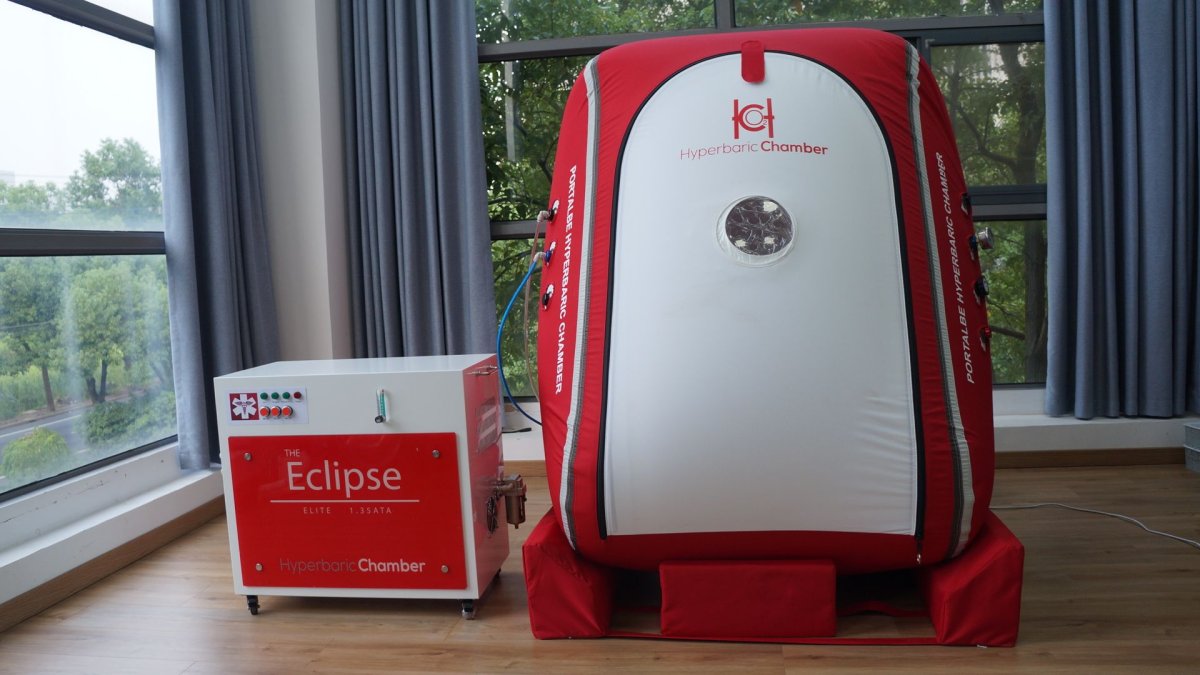
Integrating these sessions into a broader wellness strategy requires a consistent approach to managing chronic conditions that prioritises long-term stability and holistic health.
The primary advantage of home therapy is consistency. You control your schedule, avoid travel time, and can maintain regular sessions without the friction of clinic appointments. For patients requiring 30, 40, or 60 sessions, this convenience is significant. You also avoid exposure to other patients' infections and maintain privacy.
The trade-offs are real. Home chambers require dedicated space, proper installation, and ongoing maintenance. You are responsible for pre-session checks, pressure monitoring, and recognising when something is wrong. Clinical facilities have trained staff and emergency equipment; your home does not. This is why home therapy suits stable, well-managed chronic conditions better than acute or unstable situations.
Hyperbaric Chambers Inc supplies eight models across different pressure ratings and designs. Choosing the right one depends on your pressure needs, space constraints, mobility, and whether you prefer to lie down or sit during sessions.
Pressure Levels and Chamber Types
Pressure rating determines what conditions a chamber can effectively treat. Entry-level models operate at 1.3 to 1.35 ATA, which suits mild hypoxia and some wellness applications but falls short for chronic wounds or more serious conditions. Mid-range chambers (1.5 ATA) offer broader applicability. High-pressure chambers (2.0 ATA) deliver the oxygen saturation needed for diabetic ulcers and other serious wounds.
The iRestore operates at 1.3 ATA and suits users seeking general wellness and mild chronic conditions. The Eclipse Elite Pro reaches 1.5 ATA, appropriate for moderate wound healing and broader therapeutic applications. The Synergy and Eclipse Elite 2.0 ATA models deliver the pressure needed for serious chronic wounds and complex tissue repair.
Design matters too. Lying chambers are traditional and allow full-body treatment. Seated chambers suit patients with mobility constraints or claustrophobia. Wheelchair-accessible models (such as the Eclipse Wheelchair at 1.4 ATA) let users remain in their wheelchair during treatment, eliminating transfer challenges.
Space, Setup and Maintenance
Home chambers demand adequate floor space and ceiling height depending on the model. Lying chambers require roughly 2.2 metres length and 1.3 metres width. Seated and walk-in models are more compact but still need dedicated room.
Installation involves electrical connections, air intake ducting, and sometimes oxygen supply lines if you opt for dedicated oxygen delivery. Hyperbaric Chambers Inc provides installation guidance, but you may need a qualified electrician or technician to finalise setup.
Maintenance is straightforward but essential. Filters require regular replacement, seals need inspection, and the chamber interior must stay clean. Your user manual specifies maintenance intervals. Neglecting maintenance risks equipment failure and safety issues.
The financial commitment extends beyond purchase price. Electricity costs, filter replacements, and occasional servicing are ongoing expenses. Factor these into your decision, especially if you plan long-term therapy.
Choosing the Right Chamber for Your Chronic Condition
Start with your healthcare provider's recommendation. They should specify the pressure level your condition requires and the session frequency that makes sense. This determines which Hyperbaric Chambers Inc models are suitable.
Next, assess your space and lifestyle. If mobility is limited, a seated or wheelchair-accessible chamber removes barriers. If claustrophobia is a concern, a larger walk-in model or seated design may help. If space is tight, a portable seated chamber fits constraints better than a full-size lying chamber.
Consider your treatment timeline. Short-term therapy (20 to 30 sessions) might suit rental or clinic-based treatment. Long-term or ongoing therapy makes home ownership more economical.
| Factor | Consideration | Impact |
|---|---|---|
| Pressure requirement | Condition-specific; ask your doctor | Determines which models work for you |
| Space available | Floor area and ceiling height | Limits chamber type and size |
| Mobility | Ability to lie down or transfer | Affects chamber design choice |
| Treatment duration | Short-term vs. ongoing | Influences cost-benefit of ownership |
| Budget | Purchase, installation, maintenance | Narrows model options |
| Lifestyle | Schedule flexibility and convenience | Determines home vs. clinic fit |
Hyperbaric Chambers Inc can help you match your needs to the right model. Request a consultation to discuss your specific condition, space, and goals. The team can clarify pressure options, explain warranty terms, and address questions about installation and ongoing support.
Hyperbaric therapy for chronic conditions works when matched to the right diagnosis and delivered consistently. Home chambers make this treatment accessible without the burden of repeated clinic visits, but they require honest assessment of your space, commitment to maintenance, and realistic expectations about outcomes. Your healthcare provider should guide your decision about whether hyperbaric therapy suits your condition; Hyperbaric Chambers Inc can help you find the right equipment to deliver it safely at home.
Frequently Asked Questions
Can hyperbaric oxygen therapy help with chronic conditions?
Hyperbaric oxygen therapy increases oxygen availability in the bloodstream and tissues. Research has examined its use for specific chronic conditions, particularly those involving impaired wound healing or tissue damage. The evidence varies by condition; some chronic wounds show measurable improvement in clinical settings, while outcomes for other chronic conditions remain under investigation. Consult a healthcare professional to determine whether hyperbaric therapy is appropriate for your specific condition.
What should I know about hyperbaric oxygen therapy benefits and risks?
Benefits may include improved oxygen delivery to damaged tissues and support for wound healing in certain conditions. Potential risks include ear and sinus barotrauma, temporary changes in vision, and oxygen toxicity with extended exposure at high pressures. Most adverse effects are mild and reversible. A qualified clinician should assess your medical history, current medications, and specific condition before recommending therapy, and should monitor your response throughout treatment.
How does a home hyperbaric chamber differ from clinical treatment?
Clinical chambers typically operate at higher pressures and involve medical supervision. Home chambers vary in pressure capability (commonly 1.3 to 2.0 ATA) and are designed for independent use. Home chambers suit ongoing maintenance therapy or personal wellness, but cannot replicate intensive clinical protocols. Your healthcare provider can advise whether a home chamber meets your needs or whether clinical sessions remain necessary for your condition.
What chronic conditions have been studied with hyperbaric therapy?
Research has focused on chronic wounds (diabetic ulcers, non-healing surgical wounds), radiation injury, certain types of tissue damage, and conditions involving compromised circulation. Study quality, pressure levels used, and treatment duration vary significantly across research. Not all chronic conditions have equivalent evidence. Discuss your specific condition with your doctor to understand what evidence exists and whether hyperbaric therapy is supported for your situation.
